
Blocked drains are one of the most common and frustrating plumbing issues homeowners face. Whether it’s a slow-draining sink or a completely clogged pipe, the inconvenience can quickly disrupt your daily routine. Understanding the common causes of blocked drains at home and knowing how to prevent them can save you time, money, and stress.
For homeowners in areas like Dapto, Albion Park, Wollongong, and Shellharbour, where a mix of older and newer plumbing systems exists, drain issues can occur more frequently if not properly managed. This guide will help you identify causes, spot early warning signs, and apply effective prevention strategies.
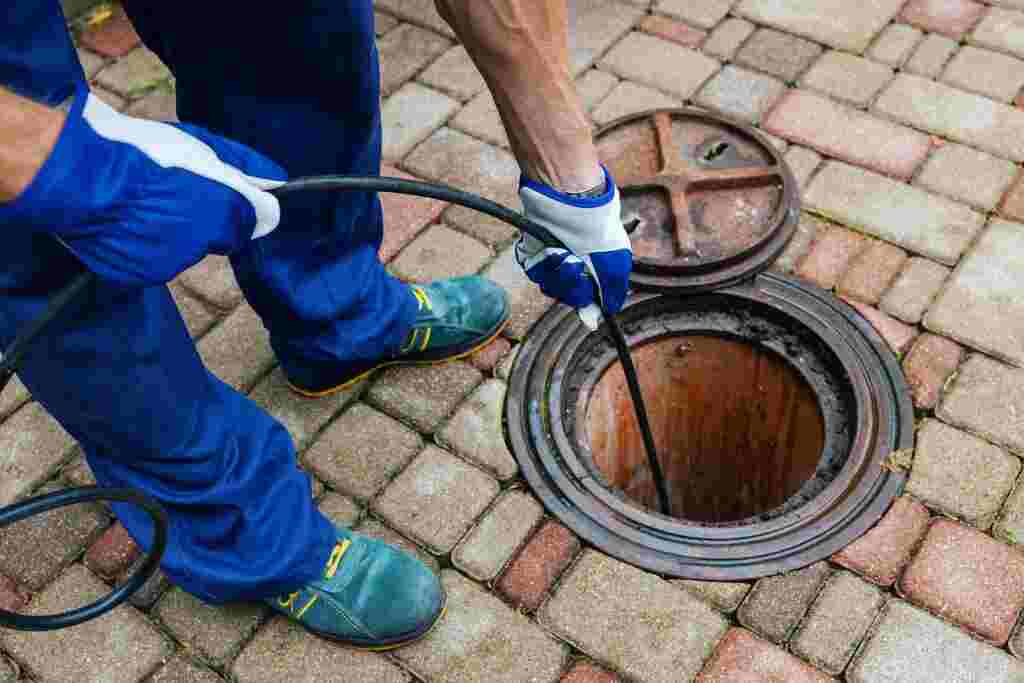
Common Causes of Blocked Drains at Home
Understanding the root of the problem is the first step towards prevention. Here are the most frequent culprits behind household drain blockages:
1. Grease and Fat Build-Up
Kitchen drains often accumulate grease. Oils and fats may flow as liquids but can solidify in pipes, gradually restricting water flow.
2. Hair and Soap Residue
In bathrooms, hair combines with soap scum to form stubborn clogs, especially in shower and basin drains.
3. Food Waste
Even small food scraps can accumulate over time, particularly in homes without proper waste disposal systems.
4. Foreign Objects
Items such as wipes, sanitary products, and paper towels are not designed to break down easily and can cause severe blockages.
5. Tree Root Intrusion
In suburbs like Wollongong and Shellharbour, tree roots can penetrate underground pipes, causing persistent, hard-to-detect blockages.
6. Mineral Build-Up
Hard water can cause minerals to accumulate inside pipes, gradually narrowing the passage for water flow.
According to a report by the Australian Government’s water authority, nearly 40% of household drain blockages are caused by grease and food waste.
Signs Your Drain Is Starting to Block
Recognising the signs your drain is starting to block early can help you act before the issue worsens.
Watch out for these warning signs:
- Slow-draining water in sinks, showers, or bathtubs
- Gurgling sounds coming from pipes
- Unpleasant odours from drains
- Water pooling around the drains
- Frequent minor clogs
Ignoring these signs can lead to complete blockages, which are more expensive and time-consuming to fix.
How to Prevent Blocked Drains in the Kitchen Sink and Bathroom
Prevention is always better than a cure, especially when it comes to plumbing. Knowing how to prevent blocked drains in kitchen sinks and other areas of your home can significantly reduce the risk of issues.
Kitchen Drain Prevention Tips
- Avoid pouring grease or oil down the sink
- Use sink strainers to catch food particles
- Dispose of food waste in bins instead
- Flush drains regularly with hot water
Bathroom Drain Prevention Tips
- Install hair catchers in shower drains
- Clean drains regularly to remove build-up
- Avoid flushing non-degradable items
- Use mild cleaning solutions to maintain pipe health
Blocked Drain Solutions for Homeowners
If you’re already dealing with a clog, there are several blocked drain solutions that homeowners can try before seeking professional help.
DIY Solutions
- Boiling Water: Helps dissolve grease and soap build-up
- Plunger: Effective for minor clogs in sinks and toilets
- Baking Soda and Vinegar: A natural solution to break down debris
- Drain Snake: Useful for removing hair and solid obstructions
Preventative Maintenance
- Schedule regular drain cleaning
- Use enzyme-based cleaners for ongoing maintenance
- Inspect outdoor drains for debris and blockages
While these methods can be effective for minor issues, they may not resolve deeper or more complex problems.
When to Call a Plumber for Blocked Drains
Knowing when to call a plumber for blocked drains is crucial to avoid further damage.
Call a professional if you notice:
- Recurring blockages despite DIY efforts
- Multiple drains clogging simultaneously
- Water backing up into sinks or toilets
- Strong sewage odours
- Suspected tree root intrusion
In regions where older drainage systems may be present, a professional inspection with advanced tools such as CCTV drain cameras can accurately identify underlying issues.
Why Drain Maintenance Matters in the Illawarra Regions
Homes in Wollongong, Shellharbour, Dapto, and Albion Park often face unique plumbing challenges due to environmental factors such as tree density, soil conditions, and ageing infrastructure.
Regular maintenance is essential to:
- Prevent costly repairs
- Maintain hygiene and safety
- Ensure efficient water flow
- Extend the lifespan of your plumbing system
Blocked drains can quickly escalate from a minor inconvenience to a major plumbing problem if left untreated. It is important to highlight the role of experienced professionals in effectively handling complex drainage issues.
By understanding the common causes of blocked drains at home, recognising early warning signs, and applying preventative measures, you can protect your home and avoid unnecessary expenses.
Fast and Effective Blocked Drain Solutions by Illawarra Plumbing
For reliable and professional plumbing services, Illawarra Plumbing & Drainer offers expert solutions tailored to homes across Dapto, Albion Park, Wollongong, and Shellharbour. With extensive industry experience, advanced tools, and a commitment to quality service, we deliver efficient, long-lasting results for all types of drainage issues.
Whether you need emergency assistance or routine maintenance, our skilled team ensures your plumbing system remains in top condition.
Contact us today for fast, effective and reliable blocked drain solutions you can trust.
FAQs
1. What are the most common causes of blocked drains at home?
Grease, hair, food waste, foreign objects, and tree roots are the most common causes of blocked drains in residential properties.
2. What are the early signs your drain is starting to block?
Slow drainage, bad odours, gurgling sounds, and water pooling are common early warning signs of a developing blockage.
3. How can you prevent blocked drains in your kitchen sink and bathroom?
Avoid grease disposal; use drain strainers; clean regularly; and never flush non-degradable items to prevent blockages.
4. What are the best blocked drain solutions for homeowners?
Boiling water, plungers, baking soda solutions, and drain snakes are effective DIY methods for minor clogs.
5. When should you call a plumber for blocked drains instead of DIY fixes?
Call a plumber when blockages persist, multiple drains clog, or there are signs of severe issues like sewage backup or tree root intrusion.