
Blocked drains rarely happen without warning. While many homeowners wait until water backs up or unpleasant smells appear, regular maintenance can prevent expensive plumbing emergencies.
If you’re wondering how often should drains be professionally cleaned, the answer depends on your property’s age, household size, and how frequently your plumbing system is used.
Scheduling routine inspections and cleaning helps reduce blockages, improve drainage performance, and extend the lifespan of your pipes. Understanding the right drain cleaning frequency for homes is one of the easiest ways to avoid unexpected plumbing repairs.
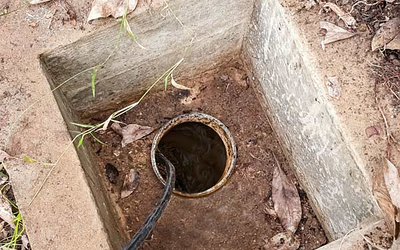
Why is Professional Drain Cleaning Important?
Your home’s plumbing system works every day to carry wastewater safely away from sinks, showers, toilets, and appliances. Over time, grease, soap residue, hair, food waste, tree roots, mineral deposits, and other debris gradually accumulate inside pipes.
Unlike chemical drain cleaners that only provide temporary relief, professional drain cleaning removes the entire blockage while identifying hidden plumbing issues before they become serious.
Regular maintenance helps homeowners:
- Prevent recurring blockages
- Maintain healthy drainage flow
- Avoid emergency plumbing repairs
- Reduce foul odours
- Extend pipe lifespan
- Detect cracked or damaged pipes early
How Often Should Drains Be Professionally Cleaned?
General Recommendation for Most Homes
Most plumbing professionals recommend scheduling professional drain cleaning:
- Every 12 to 24 months for average households
- Every 6 to 12 months for larger families
- Every 6 months for older homes
- Immediately, if recurring drain issues develop
Routine maintenance is considerably less expensive than repairing burst pipes or replacing damaged sewer lines.
Drain Cleaning Frequency for Homes Based on Household Type
Small Household (1–2 People)
Professional cleaning every 18–24 months is generally sufficient if drains are functioning normally.
Family Home (3–5 People)
A busy household generates significantly more wastewater, grease, soap residue, and hair.
Recommended schedule:
- Annual professional drain cleaning
- Inspect if slow drainage develops
Older Homes
Older plumbing systems often contain narrower pipes, corrosion, or tree root intrusion. Cleaning every 6–12 months helps minimise unexpected blockages.
Homes with Large Trees
Tree roots naturally seek moisture and frequently invade underground sewer pipes. Annual CCTV inspections and professional cleaning can identify root growth before major damage occurs.
What Factors Affect Drain Cleaning Frequency?
Several factors influence the ideal drain cleaning frequency for homes.
Household Size
More occupants produce:
- More grease
- More hair
- More soap residue
- Increased toilet usage
- Higher water flow
Cooking Habits
Households that cook daily often send grease, oils, and food particles into kitchen drains. Even small amounts of grease solidify inside pipes over time.
Pets
Pet hair contributes significantly to blockages in shower and laundry drains. Homes with multiple pets’ benefit from annual drain cleaning.
Pipe Age
Older galvanised or clay pipes are more susceptible to:
- Corrosion
- Mineral build-up
- Cracks
- Root intrusion
- Previous Blockage History
If your property has experienced blocked drains before, preventive maintenance should become part of your regular home care routine.
Warning Signs You Need Professional Drain Cleaning Service
Slow Draining Water
Water that drains slowly from:
- Kitchen sinks
- Bathroom basins
- Showers
- Laundry tubs
Bad Smells
Persistent unpleasant odours often result from:
- Food waste
- Grease
- Organic material
- Sewer gases
Frequent Blockages
If you’re repeatedly using plungers or drain cleaners, the underlying obstruction has probably not been removed completely.
Gurgling Sounds
Air trapped behind partial blockages creates unusual bubbling or gurgling noises.
Water Backing Up
Water rising into another fixture, such as a shower filling while the washing machine drains, may indicate a blockage in the main sewer line.
Overflowing Outdoor Drains
Water pooling around inspection openings or stormwater drains often indicates underground blockages.
Benefits of Regular Drain Maintenance
Improves Drain Performance
Clean pipes allow wastewater to flow efficiently, reducing standing water and slow drainage.
Reduces Emergency Repairs
Routine cleaning removes developing obstructions before they become complete blockages requiring urgent plumbing work.
Prevents Sewer Backups
Routine maintenance is one of the most effective methods of preventing sewer drain blockages that can damage flooring and property.
Extends Pipe Life
Removing corrosive build-up reduces internal pipe wear. This helps maximise plumbing system longevity.
Saves Money
Preventive maintenance typically costs much less than:
- Emergency call-outs
- Pipe replacement
- Sewer repairs
- Water damage restoration
- Eliminates Bad Smell
Removing decomposing debris improves indoor air quality and removes unpleasant smells.
DIY Drain Maintenance vs Professional Cleaning
What Homeowners Can Do
Basic maintenance includes:
- Flushing drains with hot water
- Using drain strainers
- Disposing of grease correctly
- Removing visible hair
- Avoiding inappropriate flushing
When Professionals Are Needed
DIY methods cannot safely remove:
- Deep blockages
- Tree roots
- Sewer line obstructions
- Pipe scale
- Underground damage
Australian Drainage Statistics
Routine drain maintenance is supported by industry research highlighting the importance of healthy plumbing systems.
- According to CHOICE Australia, fats, oils, grease, wipes, sanitary products and food waste are among the leading household causes of blocked drains. Proper disposal and regular maintenance significantly reduce plumbing problems.
Methods Used in Preventing Sewer Drain Blockages
Avoid Pouring Grease Down Sinks
Cooking oils solidify after cooling and trap debris.
Use Sink Strainers
Simple strainers prevent:
- Food scraps
- Hair
- Soap pieces
- Foreign objects
Manage Tree Roots
Large trees planted near sewer lines should be inspected regularly. Tree roots remain one of the leading causes of underground pipe damage.
Schedule Routine Maintenance
Preventive cleaning remains the most effective long-term solution.
Schedule Professional Drain Cleaning from Illawarra Plumbing & Drainer
Recognising the signs you need a professional drain cleaning service, understanding the benefits of regular drain maintenance, following the recommended drain cleaning frequency for homes, and preventing sewer drain blockages all contribute to a healthier, more reliable plumbing system.
At Illawarra Plumbing & Drainer, we believe prevention is always better than emergency repairs. Our experienced team provides professional drain cleaning, CCTV drain inspections, and high-pressure water jetting to keep your plumbing flowing efficiently. Whether you’re located in Dapto, Albion Park, Wollongong, or Shellharbour, we’re here to deliver reliable plumbing solutions that help protect your home year-round.
FAQs
How often should drains be professionally cleaned in a home?
Most homes should have drains professionally cleaned every 12 to 24 months. Larger households, older plumbing systems, or properties with recurring blockages, tree roots, or heavy drain usage may benefit from annual or six-monthly cleaning.
What are the signs you need a professional drain cleaning service?
Common signs include slow-draining sinks, recurring clogs, unpleasant drain odours, gurgling sounds, water backing up into other fixtures, or overflowing outdoor drains. These symptoms often indicate blockages that require professional equipment to remove safely.
What are the benefits of regular drain maintenance for homeowners?
Regular drain maintenance improves water flow, reduces the risk of costly plumbing emergencies, prevents unpleasant odours, extends pipe lifespan, and helps identify hidden plumbing issues before they become major repairs.
How can professional drain cleaning help prevent sewer drain blockages?
Professional drain cleaning removes grease, tree roots, soap residue, food waste, and other debris before they cause major obstructions. Routine maintenance keeps sewer lines clear and significantly reduces the risk of backups and property damage.
Do you offer professional drain cleaning services in Wollongong and nearby areas?
Yes. At Illawarra Plumbing & Drainer, we provide professional drain cleaning, CCTV drain inspections, and high-pressure water jetting for homes across Wollongong, Dapto, Albion Park, Shellharbour, and surrounding areas to keep your drainage system operating efficiently.