
A reliable hot water system makes everyday activities like showering, washing dishes and doing laundry much easier. However, unexpected breakdowns, unusual noises, and inconsistent water temperatures can indicate developing hot water system faults. Recognising these warning signs early can help prevent expensive repairs, water damage and inconvenient interruptions.
Whether you live in Dapto, Albion Park, Wollongong or Shellharbour, understanding when to repair or replace your system is essential. This blog explores common faults, practical maintenance advice and the factors that help you make the right decision.
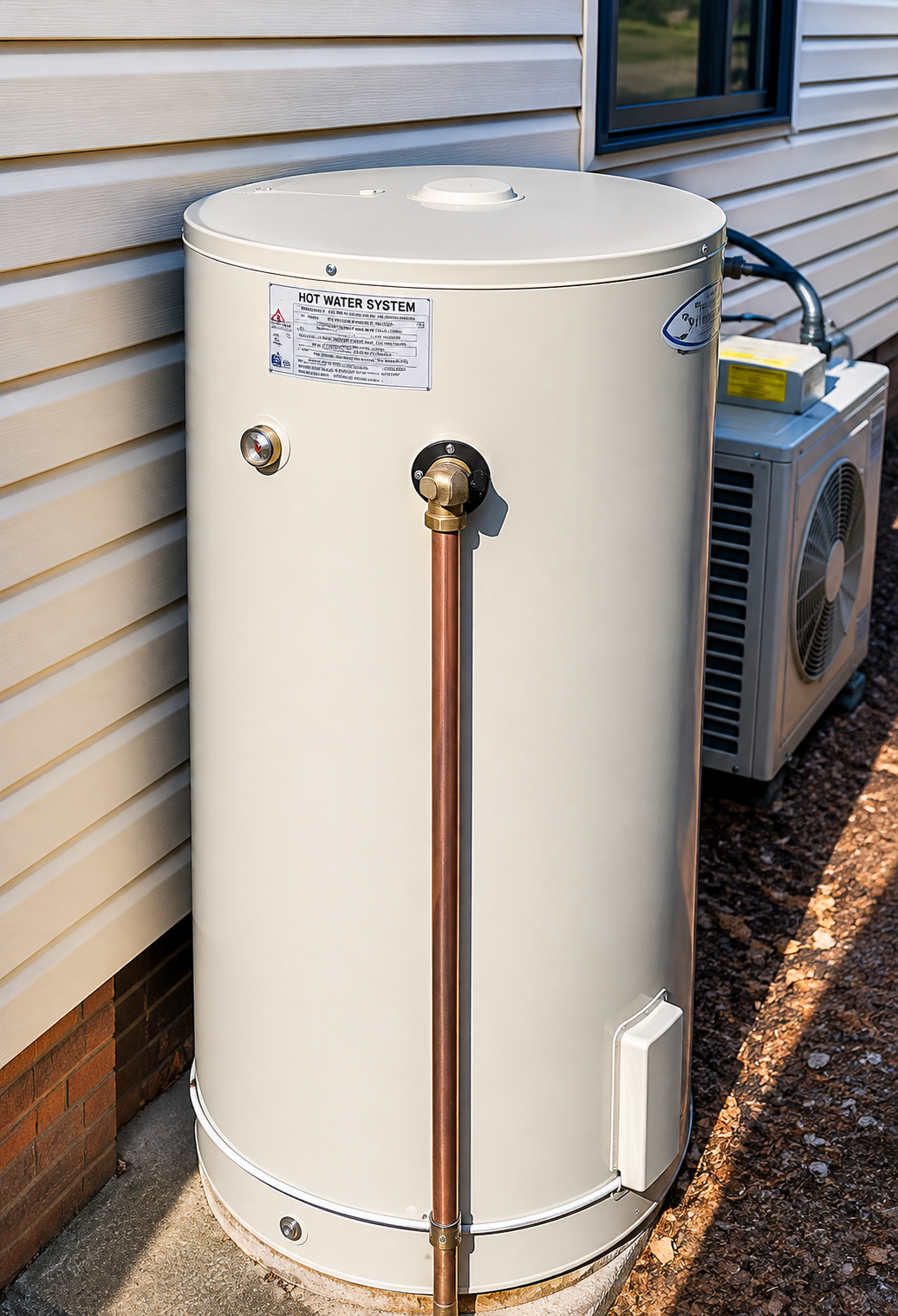
Hot water systems rarely develop serious problems without warning. Changes in performance, water quality or energy consumption can indicate that something needs attention.
Here are the most important hot water system replacement signs and repair indicators to watch for.
Your Hot Water Runs Out Too Quickly
If your household previously enjoyed long, comfortable showers but now runs out of hot water within minutes, your system may be losing heating capacity.
Common reasons include:
• A damaged heating element.
• Excessive sediment inside the tank.
• An undersized storage system.
• Thermostat malfunctions.
• Increased household hot water consumption.
A professional inspection can determine whether repairs will restore performance or whether a larger system would be more suitable.
Water Leaking around the Hot Water System
Water pooling around the tank or continuously dripping from its fittings should never be ignored. Leaks may originate from:
• Loose pipe connections.
• Damaged seals.
• Faulty pressure relief valves.
• Corroded storage tanks.
• Deteriorated plumbing fittings.
A leaking fitting may be repairable. However, water escaping directly from a corroded tank often indicates that replacement is necessary.
Unexpectedly High Energy Bills
An ageing or inefficient hot water system may consume more energy to deliver the same amount of heated water. According to the Australian Government’s hot water systems guide, water heating accounts for approximately 15%–30% of household energy use. Rising energy bills may result from:
• Deteriorating heating components.
• Poor tank insulation.
• Excessive heat loss.
• Faulty temperature controls.
• Hot water leaks.
However, increased tariffs or changes in household usage can also explain higher bills. Compare consumption before assuming your heater is faulty.
Inconsistent or Fluctuating Water Temperature
Inconsistent temperatures are among the most noticeable issues with water heaters. Possible causes include:
• Faulty thermostats or heating elements.
• Sediment accumulation inside the storage tank.
• Malfunctioning tempering or mixing valves.
• Problems with gas burners or ignition components.
• Insufficient heating capacity for household demand.
Rusty, Brown or Discoloured Hot Water
Discoloured hot water can indicate corrosion, sediment or deterioration within the plumbing system. If discolouration appears only when using hot water, the heater or hot water pipework may be responsible. Possible causes include:
• Internal tank corrosion.
• Deteriorating sacrificial anodes.
• Sediment accumulation.
• Corroded hot water pipes.
If both hot and cold water are discoloured, the issue may originate elsewhere in the water supply. Avoid using visibly contaminated water until the cause has been assessed.
Why is Your Hot Water System Not Working Properly?
Understanding the underlying cause of hot water system faults helps determine whether the problem requires a simple repair or a more extensive solution.
Gas Supply or Ignition Problems
Gas-powered systems may experience ignition failures, burner problems or interruptions to the gas supply. Warning signs include:
• Water remains cold despite demand.
• Repeated ignition failures.
• Error codes appearing on digital controls.
• Unusual burner operation.
Gas appliances should never be dismantled or repaired by unqualified individuals.
Electrical Component Failures
Electric hot water systems rely on heating elements, thermostats and electrical controls. If one of these components fails, the system may produce insufficient hot water or stop heating altogether.
A licensed professional can inspect the system and identify defective components. Electrical repairs must be completed by appropriately licensed personnel.
Sediment and Mineral Accumulation
Storage tanks can gradually collect sediment and mineral deposits. These deposits may interfere with heating efficiency, reduce usable capacity and contribute to unusual operating noises.
The appropriate cleaning or servicing method depends on the manufacturer’s instructions and the type of water heater installed.
How Long Does a Hot Water System Usually Last?
The water heater lifespan depends on the system type, manufacturing quality, water conditions, installation and maintenance history.
What Affects the Lifespan of Your Hot Water System?
Several factors influence durability:
• System type: Storage, continuous-flow, solar, and heat pump systems have different components and maintenance requirements.
• Water quality: Mineral content and corrosive conditions can affect internal components.
• Maintenance: Regular servicing can identify deteriorating parts.
• Usage: Heavy household demand may increase component wear.
• Installation: Correct installation supports safe and efficient operation.
The Australian Government’s YourHome hot water systems guide reports that typical tank warranties range from 5–10 years for glass-lined steel tanks and 10–15 years for stainless steel tanks.
When Does Age Become a Replacement Concern?
An older system does not automatically require replacement. However, age becomes more significant when combined with:
• Repeated breakdowns.
• Visible tank corrosion.
• Declining heating performance.
• Expensive component failures.
• Increasing maintenance costs.
If your heater is approaching or has exceeded its warranty period, consider arranging an assessment before a major breakdown occurs.
What are the Different Types of Hot Water System Faults?
Different hot water technologies experience different problems. Understanding these differences can make it easier to recognise when professional servicing is necessary.
Electric Hot Water System Faults
Electric heaters commonly experience problems involving heating elements, thermostats, wiring or temperature controls. A system that produces no hot water may have an electrical fault, while reduced heating performance may indicate a partially functioning element.
Gas Hot Water System Faults
Gas systems may develop ignition problems, burner faults, blocked components or temperature control issues. Continuous-flow models can also display diagnostic error codes, helping technicians identify specific malfunctions.
Solar Hot Water System Faults
Solar systems depend on collectors, circulation components and, in many installations, supplementary heating. Common problems include:
• Faulty circulation pumps.
• Collector damage.
• Booster malfunctions.
• Temperature sensor failures.
• Leaking connections.
Heat Pump Hot Water System Faults
Heat pump systems use refrigeration technology to transfer heat into stored water. Possible issues include compressor faults, fan problems, sensor failures and reduced heating performance.
How Can You Prevent Hot Water System Breakdowns?
These practical hot water system maintenance tips are useful for homeowners across Wollongong, Dapto, Albion Park and Shellharbour.
• Arrange Regular Professional Inspections
• Monitor Water Temperature
• Check for Visible Leaks
• Maintain Important Components
• Avoid Ignoring Minor Problems
Keep Your Hot Water Running with Illawarra Plumbing & Drainer
A dependable hot water supply should never be taken for granted. Recognising hot water system problems early can help you avoid unnecessary expenses, unexpected breakdowns and disruptions to your daily routine.
At Illawarra Plumbing & Drainer, we understand how frustrating it can be when your hot water system stops working. That’s why we provide professional hot water repairs, fault diagnosis, replacements, installations and maintenance tailored to your needs.
Whether you’re dealing with a leaking tank, inconsistent temperatures or recurring system faults, our team can help identify the problem and recommend a practical solution. We serve homeowners and businesses throughout Dapto, Albion Park, Wollongong and Shellharbour, helping restore reliable hot water with professional plumbing solutions.
Contact Illawarra Plumbing & Drainer today to arrange a hot water system inspection, repair or replacement.
FAQs
What are the signs of hot water system problems?
Common hot water system problems include inconsistent water temperatures, unusual noises, rusty water, leaks and insufficient hot water. Rising energy bills may also indicate reduced efficiency. Early professional inspections can prevent further damage.
When should you replace your hot water system?
Consider replacing your hot water system if it frequently breaks down, develops serious tank corrosion, leaks or requires expensive repairs. Persistent performance issues are also important hot water system replacement signs.
How long does a hot water system usually last?
The water heater lifespan varies depending on the system type, water quality and maintenance. Many storage systems last approximately 8–15 years, although some operate longer. Regular servicing can help extend their useful life.
What causes common hot water heater issues?
Common hot water heater issues result from faulty thermostats, damaged heating elements, sediment accumulation, corrosion and malfunctioning valves. Electrical faults or gas ignition problems can also affect heating performance and reliability.
How can regular maintenance prevent hot water system faults?
Regular servicing helps identify leaks, corrosion, worn components, and developing faults in the hot water system before they worsen. Following professional hot water system maintenance tips can improve efficiency, maintain reliable performance and reduce unexpected breakdowns.