
Home plumbing issues can range from minor inconveniences to serious emergencies that threaten your property, health, and safety. Knowing when to act immediately can prevent costly repairs, structural damage, and water wastage. While a dripping tap may wait until business hours, problems such as burst pipes, overflowing drains, or major leaks require immediate professional attention. Understanding the key plumbing emergency signs helps homeowners make the right decision and minimise damage.
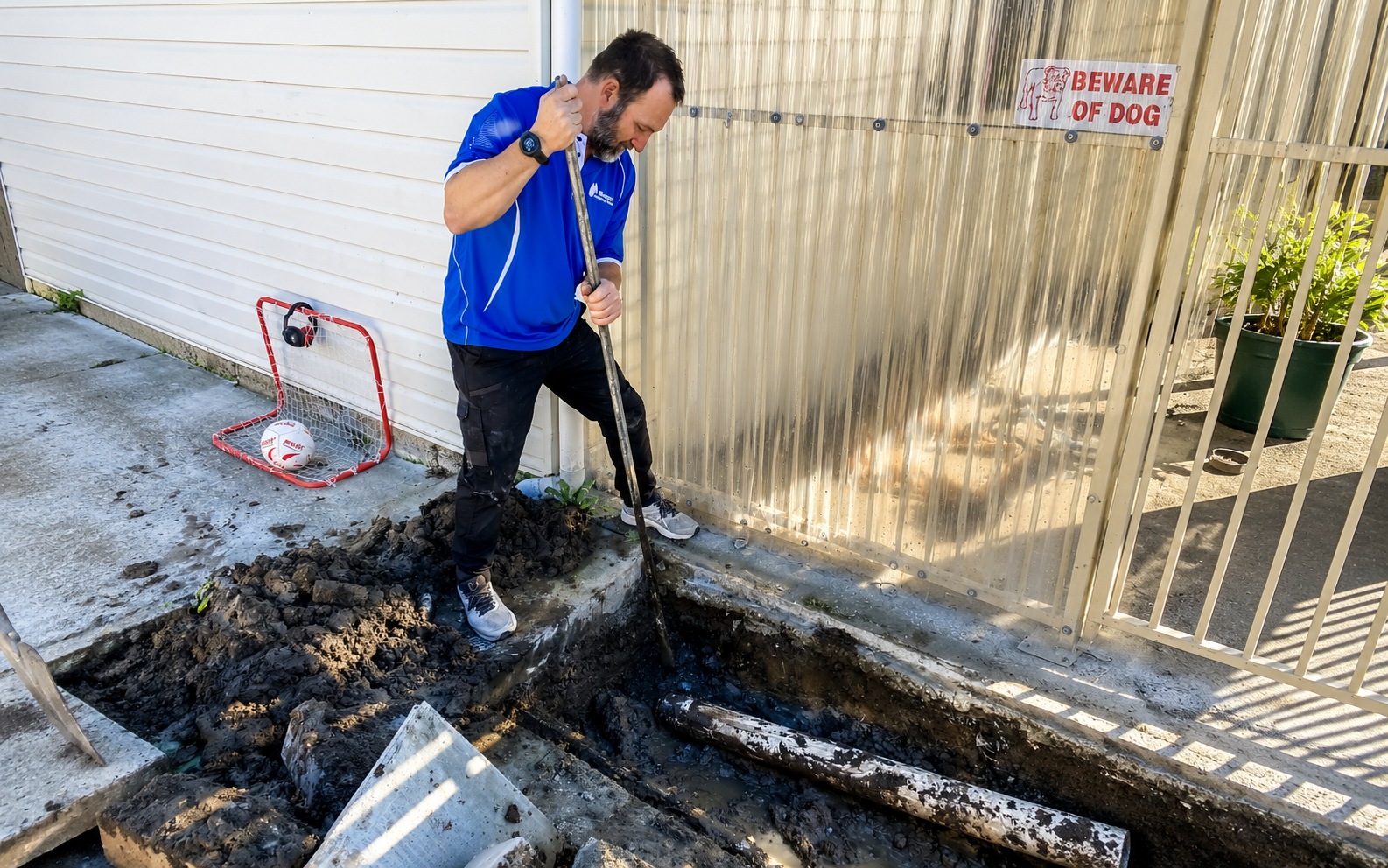
What is Considered a Plumbing Emergency?
A plumbing emergency is any situation that:
- Puts people at risk
- Causes significant property damage
- Interrupts essential water services
- Creates health hazards
- It can rapidly worsen if ignored
Not every plumbing issue requires immediate service, but genuine emergency plumbing situations demand prompt action, as delays often increase repair costs considerably.
Typical emergencies include:
- Burst water pipes
- Severe water leaks
- Overflowing toilets
- Major sewer blockages
- Gas hot water system failures are causing leaks
- No water supply
- Flooding from plumbing failures
Why Waiting Can Make Plumbing Problems Worse
Many homeowners delay calling a plumber, hoping the problem will disappear or remain manageable. Unfortunately, plumbing rarely fixes itself.
Ignoring urgent plumbing problems can result in:
- Structural timber damage
- Mould growth
- Damaged flooring
- Electrical hazards
- Higher water bills
- Foundation issues
- Expensive restoration work
Australian Water Damage Statistics
According to the Insurance Council of Australia, escape of liquid (including burst pipes and plumbing failures) remains one of Australia’s most common causes of home insurance claims each year.
Top Emergency Plumbing Situations That Need Immediate Attention
Burst Pipe Emergency
This is one of the fastest ways to cause thousands of dollars in water damage.
Common warning signs
- Sudden loss of water pressure
- Water pooling indoors
- Wet walls
- Water stains are appearing quickly
- Strange hissing sounds
- Water flowing where it shouldn’t
Burst pipes can occur because of:
- Corrosion
- Ground movement
- Tree roots
- High water pressure
- Frozen pipes (in colder regions)
- Ageing plumbing
Emergency Pipe Leak
An emergency pipe leak usually involves:
- Constant flowing water
- Ceiling leaks
- Leaking pipes inside the walls
- Water near electrical systems
- Rapid flooding
Large leaks may weaken plasterboard, timber framing, insulation and flooring.
Overflowing Toilet
A toilet overflowing with wastewater should never be ignored.
Possible causes include:
- Sewer blockage
- Tree root intrusion
- Main drain obstruction
- Broken sewer pipe
If wastewater continues rising after flushing stops, contact emergency plumbing services immediately.
Emergency Drain Blockage
A blocked drain becomes an emergency drain blockage when wastewater cannot escape safely.
Examples include:
- Sewage backing up into showers
- Overflowing outdoor drains
- Multiple blocked fixtures
- Toilet overflowing continuously
Hot Water System Leaks
Water heaters rarely fail without warning. A leaking hot water system can flood nearby rooms surprisingly quickly.
Emergency signs include:
- Water is leaking beneath the tank
- Rust-coloured water
- Steam escaping
- Strange noises
- Burning smell
Sewer Backups
A sewer backup creates one of the most hazardous emergency plumbing situations.
Signs include
- Toilets backing up
- Multiple drains overflowing
- Sewage smell indoors
- Gurgling drains
- Slow drainage throughout the home
How to Recognise Plumbing Emergency Signs
Water Where It Shouldn’t Be
Unexpected water is always worth investigating.
Examples:
- Wet carpets
- Ceiling stains
- Bubbling paint
- Water under cupboards
Sudden Drop in Water Pressure
A rapid loss of pressure often indicates:
- Burst pipe
- Major leak
- Water main issue
Prompt inspection prevents larger repairs.
Sewage Odours
Strong sewer smells indicate:
- Broken vent
- Sewer blockage
- Cracked drain pipe
Never ignore persistent sewage odours inside your home.
Unusual Sounds
Listen for:
- Hissing
- Banging pipes
- Bubbling drains
- Gurgling toilets
These sounds frequently signal hidden plumbing problems.
Rapid Water Bill Increase
A sudden spike in water usage may indicate:
- Underground leaks
- Hidden wall leaks
- Toilet leaks
- Underground burst pipes
According to Sydney Water, fixing leaks promptly helps reduce unnecessary water loss and household water costs.
What Should You Do Before the Emergency Plumber Arrives?
While waiting for professional emergency plumbing help, taking the right steps can reduce damage.
Shut Off the Water
Locate your home’s main isolation valve before emergencies happen. Turning it off immediately limits flooding.
Turn Off Electricity If Needed
Never walk through standing water near electrical outlets. Switch the power off safely if possible.
Protect Valuable Items
Move these away from flooded areas:
- Furniture
- Electronics
- Documents
- Rugs
Avoid Using Plumbing Fixtures
Don’t flush toilets or run taps if a sewer blockage is suspected. Doing so may worsen backups.
Document the Damage
Take photographs for:
- Insurance claims
- Repair records
- Future reference
How Professionals Perform Plumbing Emergency Repair
Professional plumbers respond quickly because emergencies require specialised tools and experience.
A typical plumbing emergency repair may include the following:
Emergency Assessment
They inspect:
- Leak source
- Water damage
- Pipe condition
- Drain systems
Isolation
They stop:
- Water flow
- Gas supply (if necessary)
- Further property damage
Advanced Leak Detection
Modern plumbers often use:
- Thermal cameras
- Acoustic leak detectors
- CCTV drain inspections
- Pressure testing
Immediate Repairs
Depending on the issue, they may:
- Replace damaged pipes
- Repair fittings
- Clear blocked drains
- Restore water supply
- Replace valves
Permanent Solutions
Temporary fixes may be followed by:
- Pipe replacement
- Drain relining
- Water pressure adjustment
- Preventative maintenance
Ways to Prevent Future Emergency Plumbing Situations
Schedule Regular Plumbing Inspections
Professional inspections identify:
- Corrosion
- Hidden leaks
- Pipe wear
- Drain problems
Avoid Flushing Inappropriate Items
Never flush:
- Wet wipes
- Paper towels
- Cooking grease
- Sanitary products
- Cotton buds
Watch Tree Roots
Tree roots are among the leading causes of damage to underground sewer pipes in Australia. Regular drain camera inspections help detect early intrusion.
Know Your Shut-Off Valve
Every homeowner should know:
- Main water valve location
- Hot water isolation valve
- Gas isolation
Monitor Water Pressure
Excessively high pressure places stress on:
- Pipes
- Taps
- Flexible hoses
- Water heaters
Pressure-limiting valves help extend plumbing lifespan.
Partner with Illawarra Plumbing & Drainer for Any Plumbing Emergency
Knowing the difference between a routine plumbing issue and a genuine emergency can protect your home, your health, and your finances. Whether you’re dealing with a burst pipe emergency, an emergency drain blockage, an emergency pipe leak, or any other emergency plumbing situation, acting quickly is always the safest choice.
At Illawarra Plumbing & Drainer, we provide reliable emergency plumbing help and professional plumbing emergency repair services when you need them most. We proudly assist homeowners across Dapto, Albion Park, Wollongong, and Shellharbour, delivering prompt solutions to minimise damage and restore your plumbing with confidence. Contact us for your emergency plumbing needs.
FAQs
What are the most common emergency plumbing situations homeowners face?
The most common emergency plumbing situations include burst pipes, overflowing toilets, severe water leaks, blocked sewer drains, hot water system failures, and major drain blockages.
How do I know if I have a plumbing emergency or if it can wait?
If your plumbing issue is causing flooding, sewage backup, no water supply, or a major leak, it’s an emergency and needs immediate attention. Minor issues like a dripping tap or slow drain can usually wait for a scheduled plumbing appointment.
What should I do during a burst pipe emergency before the plumber arrives?
During a burst pipe emergency, turn off your home’s main water supply immediately, switch off electricity if water is near electrical outlets, move valuables away from the affected area, and contact an emergency plumber as soon as possible.
When does a blocked drain become a plumbing emergency?
A blocked drain becomes a plumbing emergency when wastewater backs up into sinks, showers, or toilets, multiple drains stop working, or sewage overflows occur. These situations can pose health hazards and should be addressed without delay.
Do you provide 24/7 emergency plumbing help for homes in Wollongong and nearby areas?
Yes. We provide 24/7 emergency plumbing help for homeowners across Wollongong and the surrounding areas, responding promptly to urgent plumbing problems such as burst pipes, blocked drains, major leaks, and other emergencies.